By Iain Corbett
I spent a large chunk of my life having no love, time or respect for ‘leaders’.
I felt it was the actions of ‘leaders’ that meant me and my friends grew up in communities ravaged by poverty. I believed it was the decision of ‘leaders’ that meant that I was no longer welcome in school, and it was young ‘leaders’, from other schemes, that meant that I had more sore faces than I care to admit.
I was wrong.
I believed that leadership was synonymous with authority, with power and with control. I was wrong.
In my early career I believed that the senior managers, the directors and the CEOs were the ‘leaders’, and again, I was wrong.
I spent many years looking up at those in power, disappointed by their views, decisions and actions, and I could not understand why that those I was looking up to were not teaching me the skills, imparting the values or sharing the wisdom that I sought.
It was only when I stopped looking up, and started looking around that I realised what it was, to me.
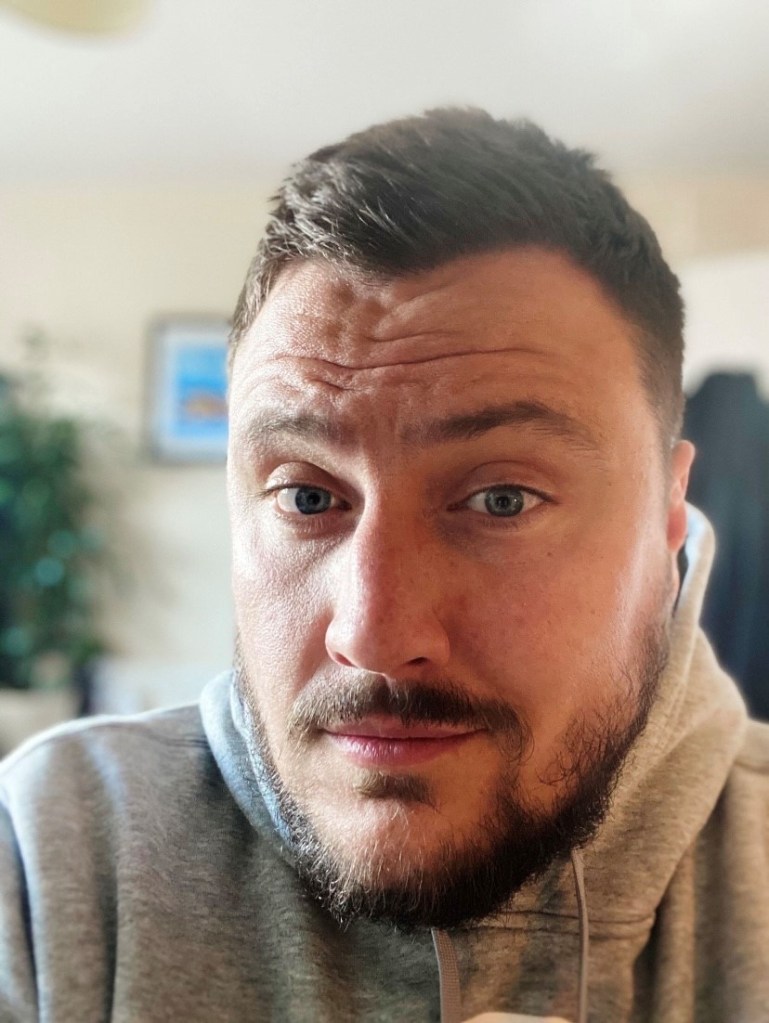
To understand what leadership meant to me, I had to consciously decouple it from authority, from power and from control. I made a conscious choice to start observing the people who were doing the things that I wanted to do; the people who make their decisions based on what course of action is the most compassionate rather than the most effective, the people who put their values before their KPI’s and those whose ego is all but non-existent.
I had long admired a community worker in Drumchapel, and their ability to make themselves redundant from situations by empowering others to fill a space they once filled. Instead of just admiring from afar, I started watching. Closely. Creepily closely. And I started to learn.
I have had a student with me on placement for the last year or so who not only is one of the most compassionate humans I’ve known but has an endless curiosity that inspired me from the day we met. So, I started watching…but this time I tried to keep the creepiness in check. And yet again, I learned.
These two humans, humans whose behaviour I know shape parts of my own life on, couldn’t, on paper, be more different: the first, a 72-year-old man who has travelled the world, has had a lengthy career and completed a doctorate. The other, a 22-year-old woman, exploring the world, trying to decide which way her career will go and not yet completed her first studies.
Yet, they are the same. They love unconditionally and prioritise the community over the self. That’s leadership.
My understanding of leadership today is that it has nothing to do with your role, your title or your salary, indeed, it has nothing to do with life experience. Leadership, for me, is using whatever leverage you may have, not to elevate yourself, but to elevate those who need it more than yourself. It’s a conscious effort to look at those standing beside you, and those coming behind you and deciding to put energy into lifting them, in whatever way you can.
The most amazing thing about these two leaders is they almost definitely wouldn’t describe themselves as leaders. In fact, they’d probably wince at the notion. Yet, they use their values as their map, and compassion as their compass, and because of that, I would blindly follow them anywhere, knowing it would be ok. That’s leadership.
There are many aspects of leadership I think we can learn. We can get better at listening. We can be more patient and we can do a multitude of training, courses and coaching. But one of the things I think defines a leader most, is their courage.
Letting compassion be the thing that guides your decision making, in a world that feels harsher by the day right now, takes courage. Being endlessly curious, even when you know you might not like what you discover, takes courage, and when you put your values, morality and sense of social justice at the heart of everything you do, courage is bestowed upon you. That’s leadership.
My 72-year-old friend devoted the majority of his career to delivering popular education (Friere, 1979) in the favelas of Brazil because he was horrified at the lack of education he witnessed. My 22-year-old friend challenged her universities decision to only make overseas trips available to very specific courses, and now all students coming after her have equal access to opportunity. Neither of them had to do those things. But they chose to do it anyway. The summoned the energy, the courage, to challenge something they didn’t think was fair for people other than just themselves and they changed it. That’s leadership.
You can keep your CEO’s, your corrupt politicians and your hedge fund babies. Show me a Ted, or a Gina, or anyone else that leads with love, and I will continue to follow blindly.
 THE NATIONAL LEADERSHIP NETWORK
Leave a comment