by Susanne Richards
When I first got involved with the NLN, I couldn’t have imagined what it would teach me about leadership. I was still a teenager, and pictured a leader as someone with much more experience, knowledge and power than I had. Over time as my roles changed, something quite unusual happened.
My title changed and role changed, but my place in the project didn’t, and that is exactly the point.
A Journey Through Roles
Across my time with the NLN, I’ve held three distinct roles:
- Grant Assessor
- Steering Group Member
- Senior Development Officer (although I prefer ‘participation worker’)
On paper, that looks like progression or ‘moving up’, but in practice, nothing about my position in the space fundamentally shifted. I wasn’t suddenly given more authority over others and if anything, I became more distanced from decision-making when I left the steering group.
To some, this might feel unfamiliar. We are so used to equating titles with power, and we are taught to measure progression by hierarchy. But the NLN challenged that in a way I hadn’t and still haven’t seen before.
Rooted in People
What I’ve come to realise is that my place in the NLN has never been rooted in power. And I mean that in the best possible way.
It has never been about control, status, or decision-making authority sitting with a select few. Instead, it has been rooted in relationships and shaped by the people who are part of it.
Power in the NLN doesn’t sit in job titles. It moves and it is shared. The power sits with those who are experts by experience, and who care so much about the goal we are all trying to reach, and that shaped how I now think about leadership in my wider practice.
Challenging Traditional Power and Hierarchy
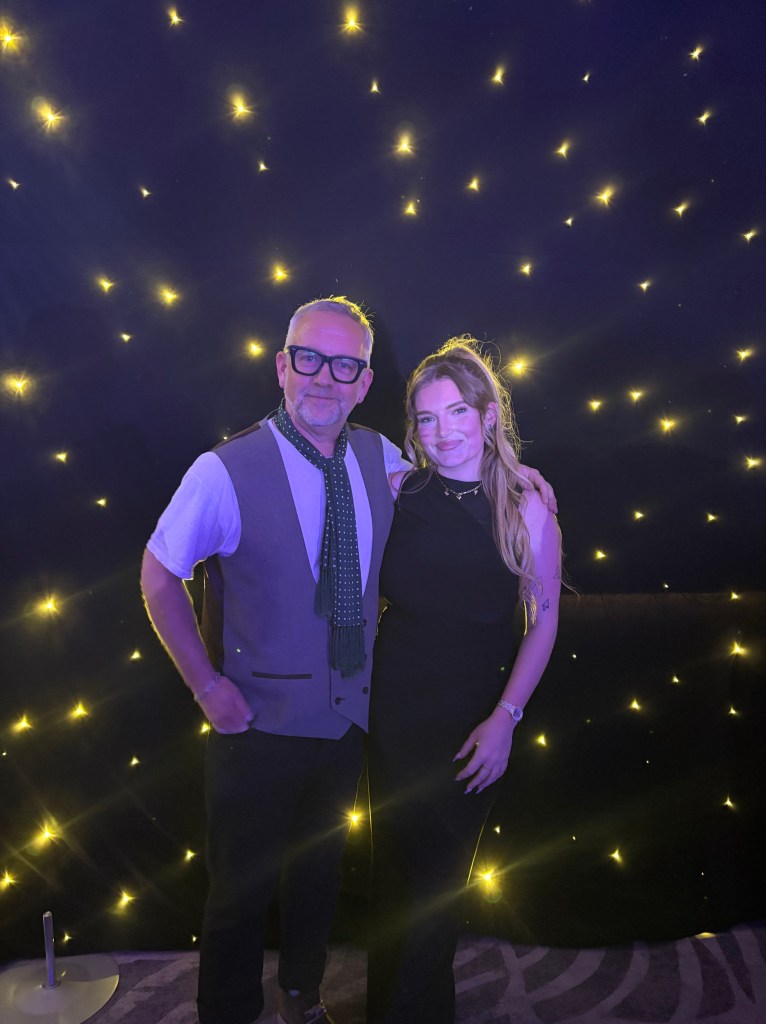
A huge part of this has been influenced by Gary, our Programme Coordinator who has been with the NLN since its inception, in with the bricks if you will.
Gary doesn’t lead in a way that ever centres himself, he leads in a way that creates spaces for others. His approach, grounded in community learning and development principles, has consistently challenged traditional ideas of hierarchy and authority.
What that has looked like in practice is:
- Creating environments where lived experience leads
- Actively redistributing power in conversations and decision-making
- Being intentional about who speaks, who decides, and who holds influence
- Supporting people to step into leadership, rather than holding it from himself
More than anything, Gary has modelled a way of working that isn’t driven by titles, frameworks, power, or recognition. It is driven by people.
Theres a quote I read recently from a book called ‘The Te of Piglet’, that reminds me of this:
“People behaved correctly without knowing that to be Righteousness… They loved and respected each other, without calling that Benevolence… In their everyday conduct, they helped each other without considering Duty.”
That idea that people simply do what is right without needing to name it, feels deeply aligned with how Gary has shaped the NLN. It reflects something we often say in the network: “we do it because it is the right thing to do”.
One of the biggest things I have learned from Gary is that leadership isn’t about having power, it is about how you create the conditions for others to hold it, often without ever needing to say so. It has often frustrated me how little Gary promotes himself and his work, but I realise now that he doesn’t have to, because the outcomes speaks for themselves.
What This Means For My Practice
My experience with the NLN has absolutely changed how I work. In my roles beyond the NLN, whether it be participation, policy, or practice, I now think much more critically about:
- Who holds power in the room
- If participation is meaningful or performative
- How decisions are actually made, and more importantly who is making them
- Whether people with lived experience are actually shaping outcomes
- What ‘leadership’ actually looks like
I’ve also become more comfortable challenging traditional structures. Not aggressively, but confidently. Because I have seen what it looks like when power is genuinely shared, and I know it is possible.
What Leadership Means to Me
Trying to put into words what the NLN has shown me about leadership certainly hasn’t been an easy task. The network has never defined leadership, and therefore its meaning is personal. But for me, I now see leadership as:
- Holding a space rather than dominating it
- Listening twice as much as you speak
- Building others up rather than setting yourself apart
- Being part of something without taking charge of it
- Recognising when you need help, and not being afraid to ask for it
- Taking accountability for your decisions, and encouraging others to take accountability for theirs
And I think this applies to leadership in all settings regardless of titles, because if your leadership only exists when your title changes, it was probably never yours to begin with.


Leave a Reply